Start here
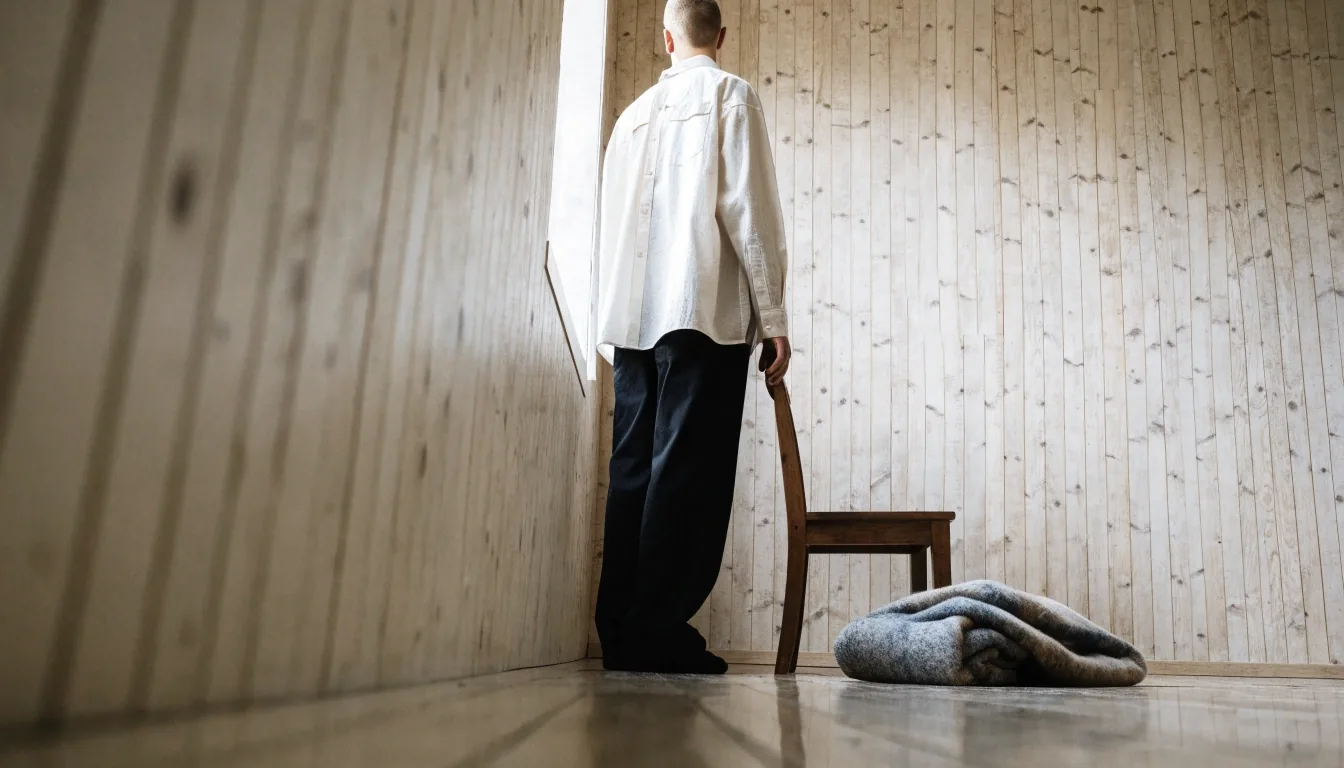
Lying on your back
Knees bent, feet flat, one hand on the stomach. Nothing is bearing down on the muscles, so a light squeeze is easier to notice. This is where most people confirm they have found the right area.
Educational resource only. Nothing here is medical advice or a promise of results — please speak with a qualified clinician about your own health.
 Pelvic Strength Guide
Educational only · Pelvic Strength Guide
These are the questions that come up most often when men start pelvic floor training. The answers are general and educational. They do not assess your own situation, and they are not a substitute for advice from a qualified professional.
What this page covers
The most common question is also the most important one. A widely used description, found in male pelvic floor guidance, is to tighten the ring of muscle around the back passage as if you were trying to hold in wind. You should feel a small inward lift, as though the muscle is drawing up and slightly forward.
If your buttocks, thighs, or stomach are doing the work, you are probably squeezing the wrong area. That is normal at the start and it corrects quickly once you know what to look for. Check in a mirror if it helps, or place a hand on your stomach so you can feel whether it stays soft while the squeeze happens.
Read technique guidance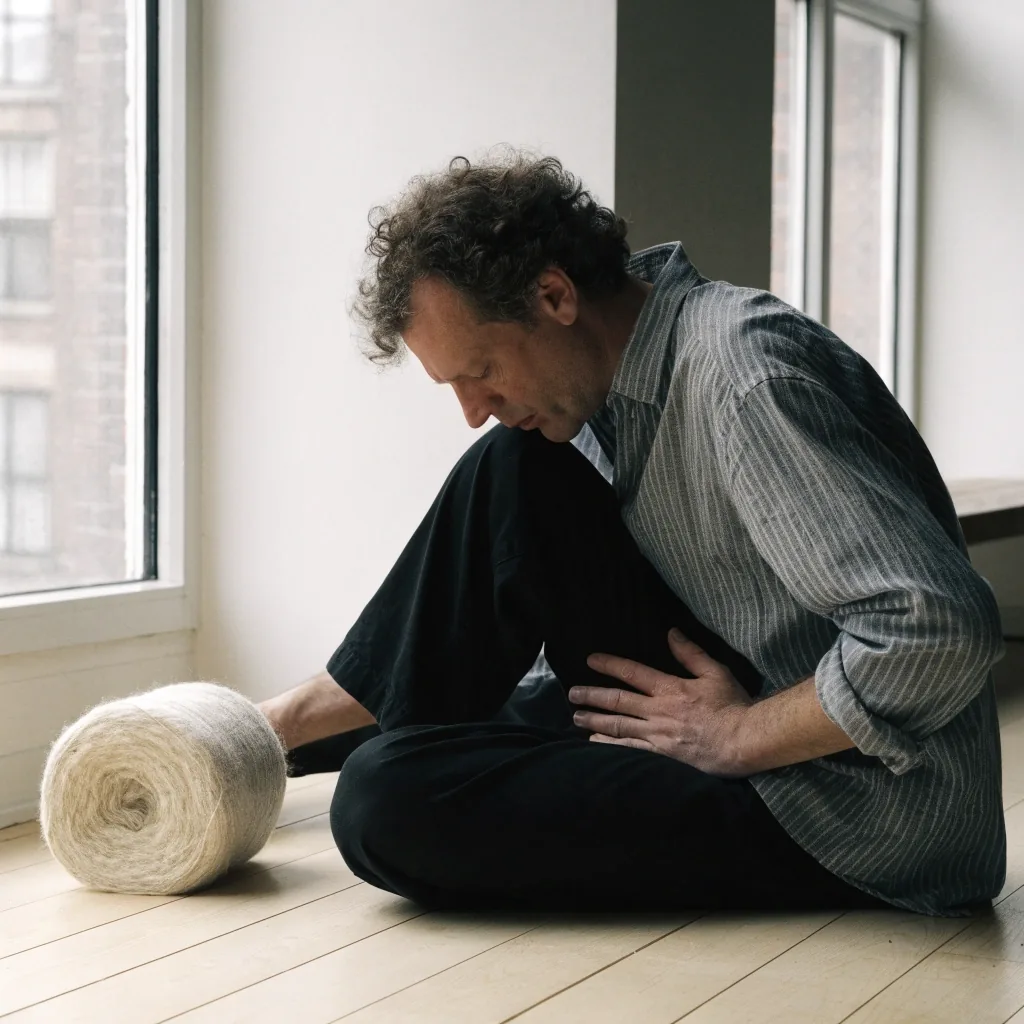
A light hand on the stomach shows whether the squeeze is staying where you want it. If the stomach firms up, ease off and start again.
Practice schedule
Public self-care guidance often suggests a small number of repetitions done a few times a day, but the exact figure matters less than consistency and comfort. Three to five practice days per week suits most beginners, with rest days in between. If the muscles feel tired or heavy, take an extra day off. Rest is part of training, not a failure of it.
Practice days per week for most beginners
three to five
Rest days between practice days
at least one
Length of a single session
short enough to finish comfortably
What to do when the squeeze gets hard to hold
stop for the day
What matters more than the repetition count
comfort and technique
Where most men practise
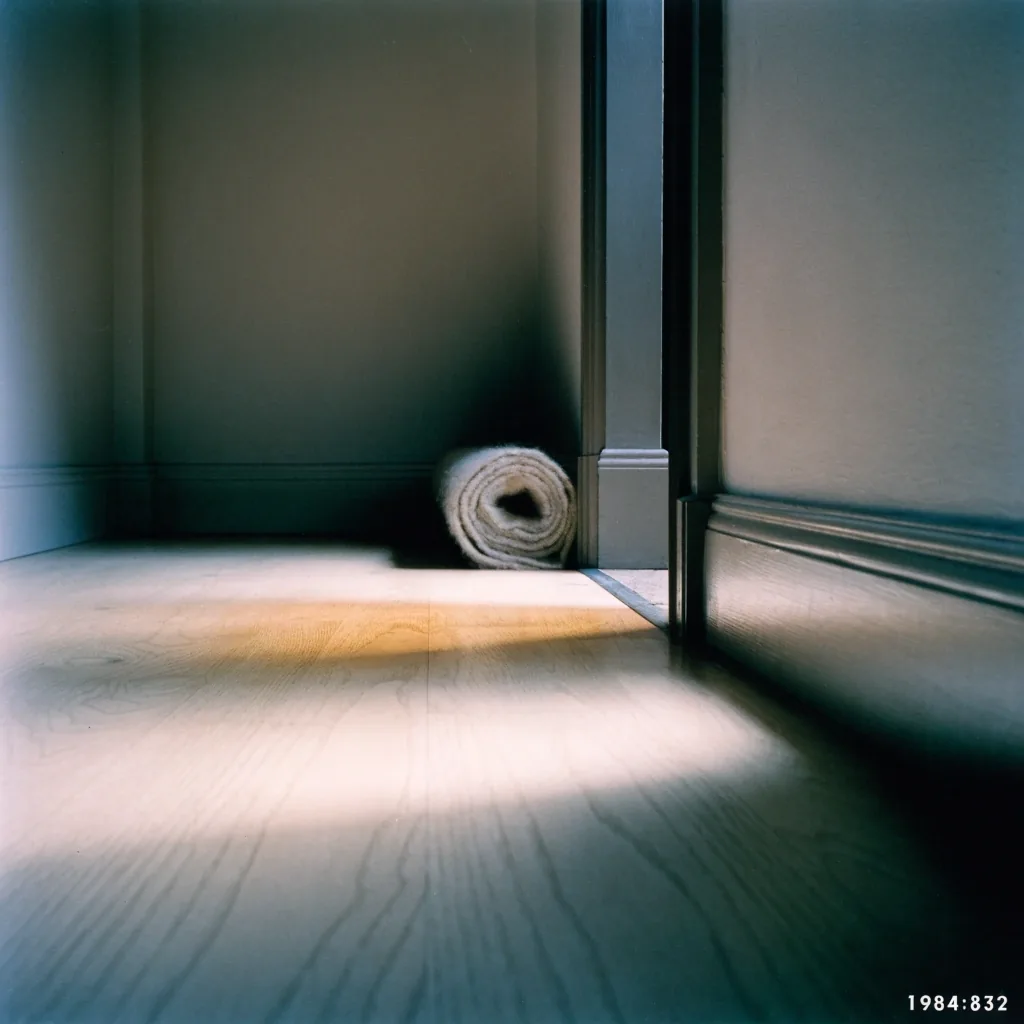
A quiet floor with room to lie down first, then a chair, then standing. The position changes the difficulty, not the movement.
Start lying down if you can, because gravity is not adding load and it is easier to feel the muscles engage. Once the movement feels reliable on your back, try sitting in a chair with both feet flat on the floor. Standing comes last because it asks more of your posture and balance. There is no rush to move through these positions, and staying with lying down for several weeks is completely normal.
Start here
Knees bent, feet flat, one hand on the stomach. Nothing is bearing down on the muscles, so a light squeeze is easier to notice. This is where most people confirm they have found the right area.
Once reliable
Both feet flat, back away from the chair rest so you are sitting tall rather than slouched. The movement is the same, but the muscles now work against a little more load and against your own posture.
Take your time
Feet hip-width, weight even, ribs stacked over the hips. Standing asks more of your balance, so keep the squeeze light and stop if the quality drops. Moving here early is not a shortcut.
Slow contractions involve holding a squeeze for several seconds and build endurance in the muscle. Quick contractions are short, crisp squeezes with a full release in between, and they train a faster response. Most balanced routines include both.
Beginners often start with slow contractions and add a few quick ones once the movement feels familiar. Release fully between repetitions either way; a squeeze that never lets go teaches the muscle to stay switched on.
Holding your breath during a contraction raises pressure in the abdomen and works against the muscles you are trying to train. Breathe steadily and exhale gently as you squeeze.
Posture matters too. Slouching shortens the space the pelvic floor has to move in, while sitting tall makes the contraction easier to feel. Small adjustments here often improve the quality of a session more than adding repetitions does.
Breathe out as you squeeze
Sit tall, ribs over hips
Release fully between reps
Fatigue shows up as a squeeze that will not hold cleanly, not as a number you have reached.
There is no standard timeline. Some people feel more aware of the muscles within a couple of weeks of regular practice. Others need longer, and that is not a sign of doing something wrong. What you can control is whether you practise consistently and whether your technique is sound. This site does not promise specific results.
If the squeeze becomes hard to hold, or if you cannot tell whether you are engaging at all, the muscles are tired. Stop for the day. Pushing through fatigue usually leads to compensating with the wrong muscles, which reinforces poor technique and makes the next session harder to read.
Come back the next day or the day after, and keep the session short. A tired muscle that rests recovers its coordination; a tired muscle that keeps going learns the wrong pattern.
Stopping the flow of urine mid-stream is a common way to identify the muscles, but it should not become a regular training method. Doing it often can interfere with normal bladder emptying. Use the cue once or twice to confirm you have found the right area, then practise at other times, such as lying down or sitting in a chair.
Attach the practice to something you already do, such as after a morning shower or before an evening meal. Short sessions you actually complete beat long ones you keep postponing. If you keep skipping evening sessions, try mornings instead.
Adjust the plan rather than abandoning it, and use the routine builder if you want a printed weekly summary you can keep beside your usual routine.
Build a weekly planStop and speak to a qualified professional if you feel pain, if the muscles stay tense after a session, or if something about your body changes in a way that worries you. This site is educational and cannot assess your situation. Asking for guidance early is usually easier than working through something that needs proper attention.
Editorial questions
If a question you have is not answered here, send a topic suggestion and we will look at adding it.
Send a topic suggestionYes. The movements are gentle and do not require fitness or equipment. Start with short sessions and build gradually.
You should feel a small inward lift around the back passage. If you feel nothing, try lying down with knees bent and focus on that area.
Not at all. Start with a hold of about three seconds and build from there. The muscles adapt with practice.
Yes, once you can engage the muscles reliably. Many people do short sessions while sitting, as long as they can pay attention to technique.
Every page here is educational and written for men who want a plain explanation of pelvic floor training without claims attached. Pick the route that matches what you need next.
Reaching the editorial desk
Jl. Jenderal Sudirman No. 52, Jakarta Pusat, DKI Jakarta 10220, Indonesia. Questions about technique, practice frequency, or staying consistent are welcome — we answer editorial questions and cannot assess your own situation.