
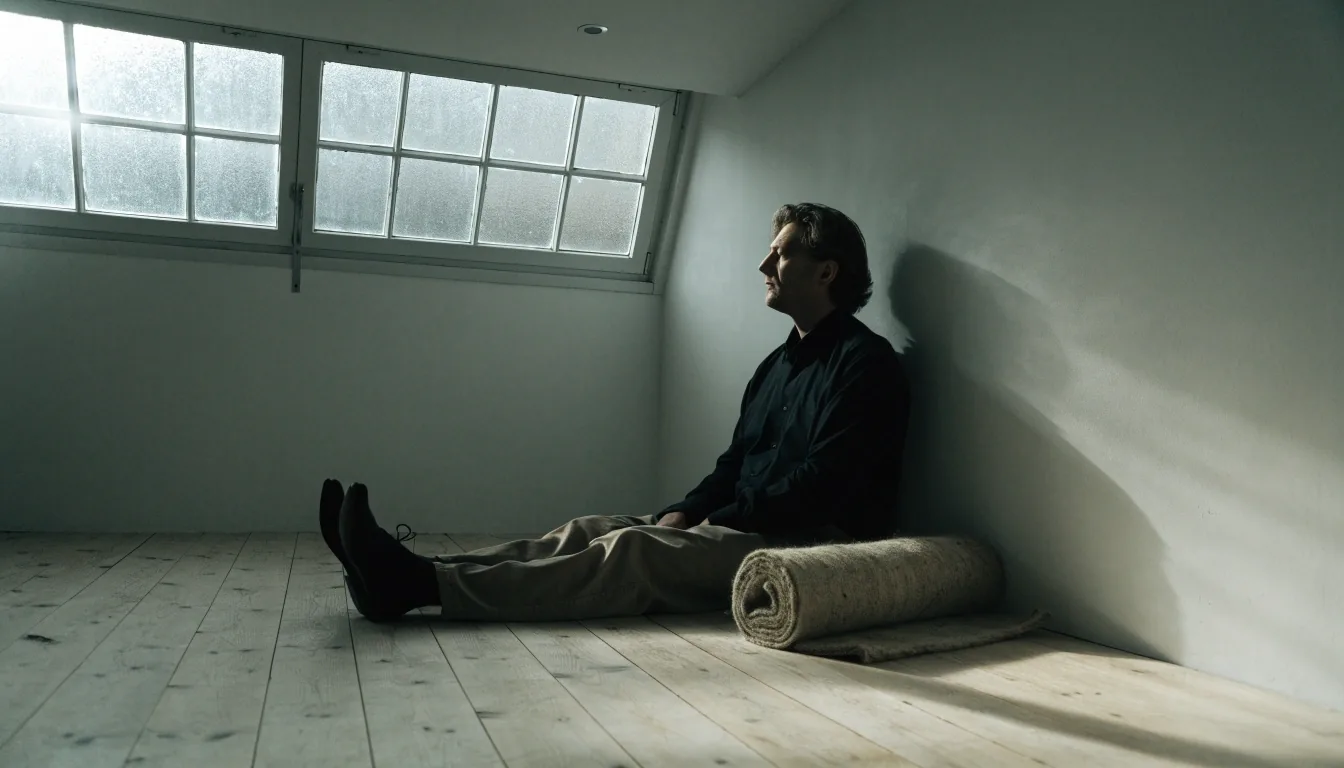
Five to ten minutes a day
A Gentle Beginner Pelvic Floor Routine
Slow contractions, quick contractions and steady breathing, set out step by step for a man who has never trained the pelvic floor before. Read the disclaimer at the top of the page first.

Before the first repetition
The first session is about orientation, not effort
This routine is a starting point for men who have never trained the pelvic floor. It uses slow contractions, quick contractions and steady breathing, and it fits into a few minutes a day. Set the muscles going gently, learn where the movement actually comes from, and leave the counting for later weeks. If anything feels painful, stop and seek qualified advice.
- Slow first
- Three-second holds build the endurance base before anything faster is added.
- Then quick
- One-second squeezes with a full release train a faster response in warm muscle.
- Breathe out
- Exhaling gently as you squeeze keeps the torso loose and the pelvic floor easier to isolate.
Before Your First Session
Find a quiet spot where you can lie down or sit without interruption. Empty your bladder first, which is standard advice in self-care guides for Kegel exercises. Wear comfortable clothing that does not press into your waist, and give yourself five minutes with no phone in your hand.
The goal of the first session is not effort, it is orientation. You are teaching yourself where the muscles sit and what a gentle squeeze feels like, so keep the room calm and the pace slow. A folded towel under the knees, a mat on a hard floor and a closed door are enough preparation.
- Empty your bladder before you begin, and again if a session runs long.
- Choose loose trousers or shorts that leave the waist and lower back free.
- Put the phone out of reach. Five undistracted minutes beat twenty interrupted ones.
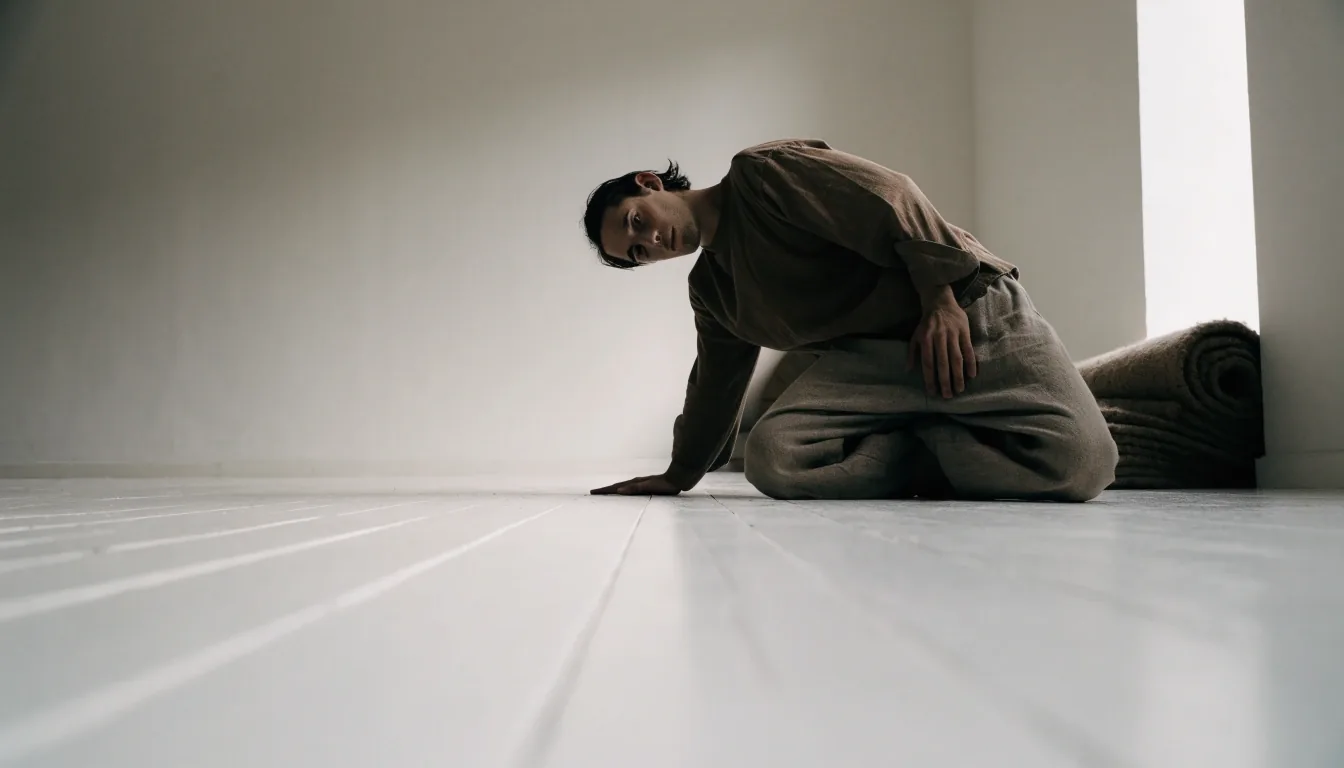
Finding the muscles
A small lift and a gentle closing sensation around the back passage. Buttocks or stomach gripping means the wrong muscles are joining in.
Finding the Muscles
Tighten the ring of muscle around the back passage as if you were trying to hold in wind. That description comes from male pelvic floor guidance published by Cambridge University Hospitals, and it works well because it targets the right area without involving the stomach or thighs. You should feel a small lift and a gentle closing sensation.
If your buttocks clench or your stomach pulls in hard, you are recruiting the wrong muscles. Let everything go and start again from a smaller squeeze. A lighter contraction that lands in the right place is more useful than a hard one that misses.

Checking Your Form
Keep your thighs, buttocks and stomach relaxed while you squeeze, and breathe normally rather than holding your breath. The squeeze should feel local, somewhere low and behind, with nothing happening in the legs or the ribcage.
If you cannot tell whether you are doing it right, try the movement while lying on your back with your knees bent. That position removes most of the work of holding yourself upright, so any stray tension is much easier to spot. If a first attempt feels uncertain, that is normal; the sensation usually becomes clearer after a few short sessions spread across a week.
Slow Contractions, Then Quick Ones
Slow contractions train the endurance fibers in the muscle, which is why they form the base of most beginner plans. Quick contractions add a faster response on top of that base, and they come second so the muscles are already warm.
Keep the numbers small in the first week. Add one repetition per week only if the muscles still feel fresh the next day.
A week of starting numbers
Slow contraction
Squeeze and hold, then release for the same length of time.
3 s hold · 3 s rest
First-week repetitions
Add one repetition each week while the muscles stay comfortable.
5 per session
Quick contraction
A short crisp squeeze followed by a full release and a pause.
1 s squeeze
Daily pattern
A short session in the morning and another in the evening, with rest days when needed.
2 short sessions
Numbers are a starting point, not a target. Comfort and consistency across weeks matter more than the count in any single day.
Breathing cues that help
Breathe in to prepare, exhale as you squeeze
Holding your breath creates tension through the whole torso and makes it harder to isolate the pelvic floor. Breathe in through your nose while you prepare, then let the breath out gently as you close the muscles. If you notice yourself gripping, pause and take two slow breaths before continuing.
Steady breathing also keeps the session calm, which matters when you are learning a new movement. A relaxed exhale is often what tells you the squeeze has landed in the right place rather than somewhere in the abdomen.
A single repetition, in order
- In Breathe in through the nose and settle into position.
- Out Exhale gently as you close and lift the muscles.
- Hold Keep the squeeze for three seconds without gripping the stomach.
- Let go Release fully and rest for the same three seconds.
Releasing the squeeze completely between repetitions is part of the exercise, not a break from it. A muscle that never fully relaxes becomes tense and less responsive.
Lying Down, Sitting, or Standing
Beginners usually find lying down easiest because gravity is not adding load. Once you can engage the muscles reliably on your back, try the same sequence while sitting in a chair with both feet on the floor. Standing comes last, since it asks more of your posture and balance.
There is no rush to move through these positions, and many people stay with lying down for several weeks. Change position only when the squeeze feels predictable, not simply because a week has passed.
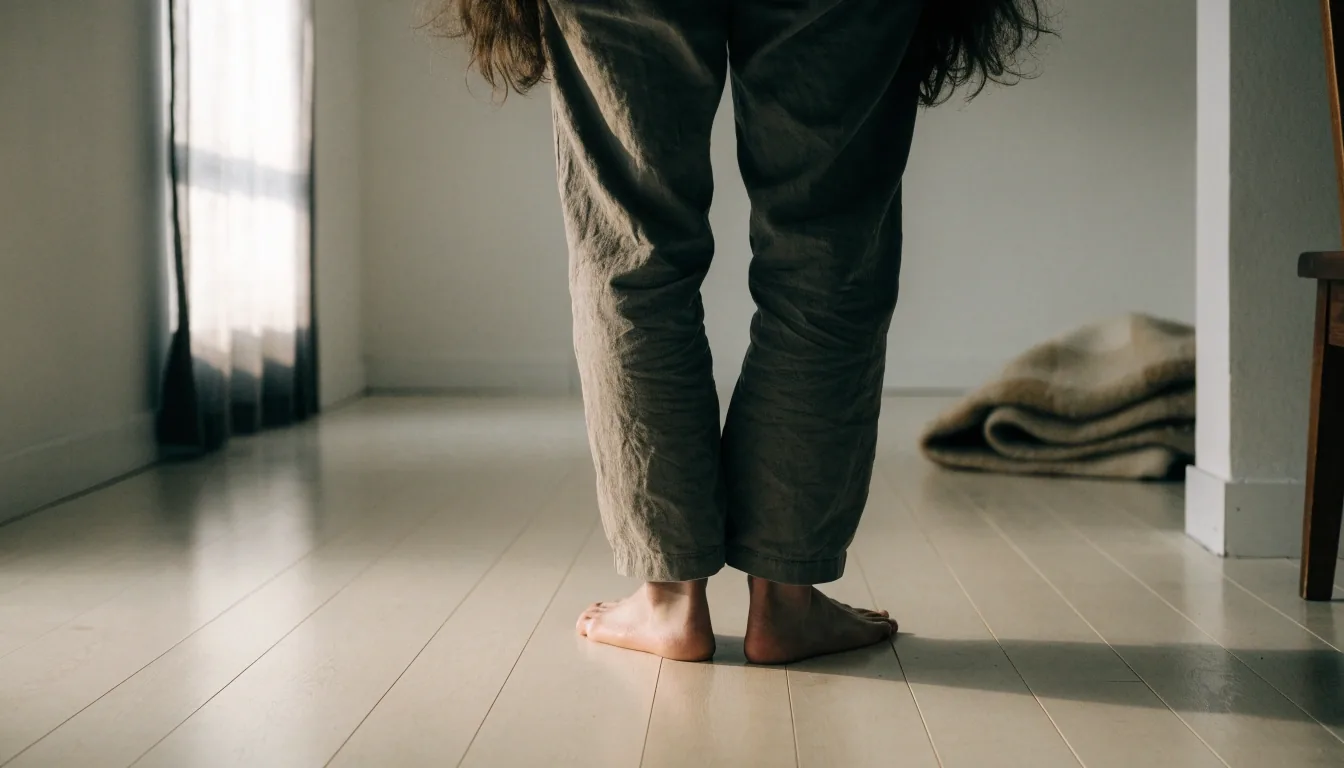
Easiest first
On your back
Knees bent, feet flat, no load from gravity.
Next step
Seated
Chair, both feet on the floor, back supported.
Last
Standing
Feet apart, weight even, posture doing more work.
How Often to Practise
Public self-care guidance often suggests a small number of repetitions done a few times a day, but the exact number matters less than consistency and comfort. A short session in the morning and another in the evening is a reasonable starting pattern. Skip a day if the muscles feel tired or heavy. Rest is part of training, not a failure of it.
It helps to attach the practice to something you already do. A session after a morning shower, or one before an evening meal, is easier to remember than a time you have to invent each day.
What Tired Muscles Feel Like
If the pelvic floor feels fatigued, you may notice that the squeeze becomes harder to hold or that you cannot tell whether you are engaging at all. That is a signal to stop for the day. Pushing through fatigue rarely helps and often leads to compensating with the wrong muscles. Come back to the routine the next day or the day after.
Signals to stop for the day
The squeeze fades partway through the hold. You cannot tell whether you are engaging. The buttocks or stomach have started doing the work. Any of these means the session is finished; a lighter return tomorrow is more useful than finishing the count today.
Fitting the Routine Into a Working Day
Long commutes and desk hours are common here, so the routine needs to survive a busy schedule. Two short sessions work better than one long one you keep postponing. Many people pair practice with an existing habit: after a morning shower, or before an evening meal.
A quiet five minutes is easy to find once it has a fixed place in the day. A parked car before going inside, a closed office door at lunch, or the few minutes after brushing your teeth in the evening all work as anchors.
Tracking Progress Without Obsessing
Note how many repetitions you managed and whether the movement felt easier than last week. That is enough. Detailed logging can turn a simple practice into a project, and the point here is a habit, not a spreadsheet.
If you want a printable summary, the routine builder produces one with the repetition counts and days you chose. Keep the notes short and honest, and skip them entirely for a week if writing them starts to feel like a chore.
If the muscles stay tense after you finish, or something about your body changes in a way that worries you, stop the routine and speak to a qualified professional. This site is educational and cannot assess your situation. Pausing early is almost always easier than working through a problem that needs proper attention.
Questions From a First Week
Short answers to the things people ask most often before their second session.
How long should a beginner session take?
Five to ten minutes is plenty at the start. The muscles tire quickly when they are new to training, and short sessions are easier to repeat.
Should I hold my breath during a contraction?
No. Breathe steadily and exhale gently as you squeeze. Holding your breath makes it harder to isolate the pelvic floor and adds unnecessary tension.
Can I do the routine more than twice a day?
You can, but there is no benefit in rushing. If the muscles feel tired, you are doing enough for now. Consistency across weeks matters more than volume in a single day.
What if I cannot feel anything happening?
Try lying down with your knees bent and focus on the sensation around the back passage. If you still cannot feel it, the technique library explains alternative cues.
Start small this week and let the habit do the work
Run one short session today: five slow contractions with a three-second hold and a three-second rest, then five quick squeezes with a full release between each. Add one repetition next week if the muscles still feel fresh the next day. Nothing here is a promise of an outcome; it is a practice you can repeat and adjust.
Editorial notes
- Where the cue comes from
- The description of tightening around the back passage follows male pelvic floor guidance published by Cambridge University Hospitals.
- What this page is not
- It is an educational routine for adults. It does not assess your situation and makes no promise about results.
- Questions we welcome
- Write to [email protected] if a step is unclear or you want us to explain a cue in more detail.